
Air Clip vs. Air Chuck: What Is the Difference?

Ryan Carter
When inflating a car tire, bicycle tire, air spring, or another pneumatic component, the fitting at the end of the air hose can make a noticeable difference. Two terms you may encounter while shopping are air clip and air chuck.
Although sellers sometimes use these names interchangeably, they do not always refer to exactly the same product. Understanding the difference will help you choose an attachment that fits your valve stem, seals properly, and makes inflation easier.
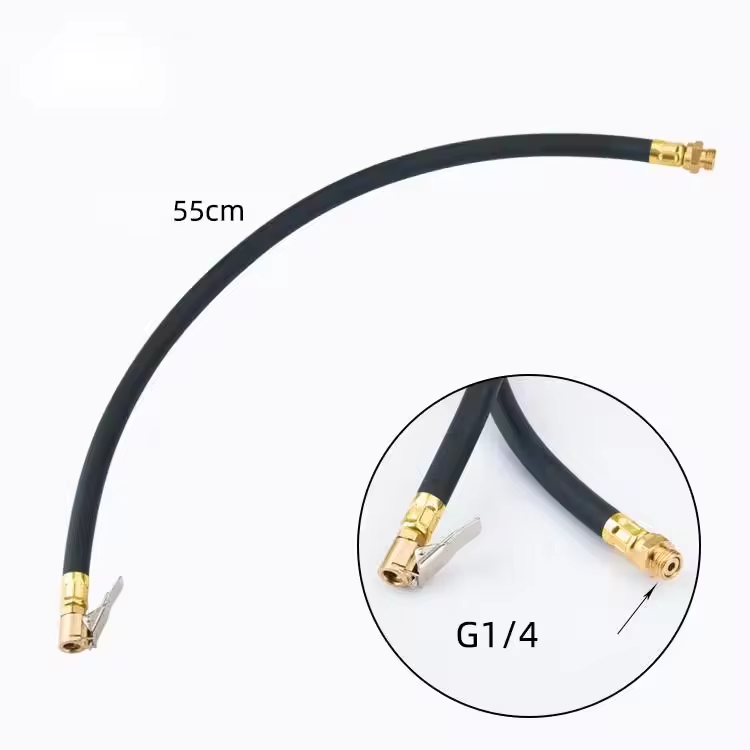
What Is an Air Chuck?
An air chuck is a fitting that connects an air hose or tire inflator to a tire’s valve stem. It allows compressed air to flow into the tire while creating a seal around the valve.
Most automotive air chucks are designed for Schrader valves, commonly found on:
- Cars and SUVs
- Trucks and trailers
- Motorcycles and ATVs
- Air suspension systems
- Many bicycles
Common Types of Air Chucks
Push-on air chuck: The user presses the chuck onto the valve stem and holds it in place during inflation. It is simple and quick but requires continuous hand pressure.
Clip-on air chuck: A locking lever or clip secures the chuck to the valve stem. This allows hands-free inflation when used with compatible equipment.
Screw-on air chuck: The chuck threads onto the valve stem for a secure connection. It usually provides an excellent seal but takes slightly longer to attach and remove.
Dual-head air chuck: This model has two angled heads, making it easier to reach the inner and outer valve stems on dual-wheel trucks.
What Is an Air Clip?
“Air clip” is not as standardized a product name as “air chuck.” In most automotive accessory listings, it refers to one of the following:
- A clip-on air chuck
- The locking clip or lever built into an air chuck
- A small clip-style adapter attached to an inflator hose
In practical terms, an air clip is usually the locking mechanism – or the complete fitting containing that mechanism – that holds an air hose securely on a valve stem.
Air Clip vs. Air Chuck: Key Differences
| Feature | Air Clip | Air Chuck |
|---|---|---|
| Meaning | Usually a clip-style connector or locking component | General term for the fitting connected to a valve stem |
| Locking mechanism | Typically included | Depends on the chuck design |
| Hands-free use | Often possible | Possible with clip-on or screw-on models |
| Product range | Usually limited to clip-style designs | Includes push-on, clip-on, screw-on, and dual-head designs |
| Best for | Fast, convenient tire inflation | General inflation and specialized applications |
How Does a Clip-On Air Chuck Work?
A clip-on air chuck contains a small lever that controls a locking jaw inside the connector.
- Press the lever to open the locking mechanism.
- Push the fitting fully onto the tire valve stem.
- Release the lever so the chuck locks in place.
- Start the compressor or tire inflator and monitor the pressure.
- Press the lever again before removing the chuck.
A properly installed clip-on chuck should stay connected without being held by hand. This is especially useful when you need to watch a pressure gauge or operate a compressor at the same time.
Which Chuck Design Is Best?
Clip-On
Best for fast attachment, hands-free convenience, and repeated tire inflation in a garage or workshop.
Push-On
Best for a compact, simple fitting when the valve stem is easy to access and quick adjustments are the priority.
Screw-On
Best when a secure connection and strong leak resistance matter more than attachment speed.
Dual-Head
Best for trucks, RVs, trailers, and dual-wheel assemblies with difficult-to-reach valve stems.
Open Flow vs. Closed Flow Air Chucks
Besides the connection style, check whether an air chuck has an open-flow or closed-flow design.
An open-flow chuck allows air to pass whenever the air supply is active. It is commonly paired with an inflator that has a separate trigger or shutoff valve.
A closed-flow chuck blocks airflow until the fitting is connected or activated. This design is often used with a basic compressor hose.
Choosing the wrong airflow type may cause continuous leakage or prevent your inflator from working correctly. Always check the requirements of your compressor, pressure gauge, or inflation tool.
How to Choose the Right Air Fitting
1. Confirm Valve Compatibility
Most automotive fittings support Schrader valves. Bicycles and specialty equipment may use Presta or other valves that require an adapter.
2. Check the Hose Connection
Common options include threaded connections, barbed fittings, and quick-connect plugs. A 1/4-inch NPT connection is common, but it is not universal.
3. Review the Pressure Rating
The fitting’s maximum working pressure should meet or exceed the output of your compressor and the requirements of your tires or pneumatic equipment.
4. Select the Right Shape
A straight chuck works well on exposed valve stems. Angled and extended designs are often better for motorcycles, trucks, trailers, and dual-wheel vehicles.
5. Look for a Reliable Seal
A durable internal gasket helps prevent leaks, speeds up inflation, and supports more accurate pressure readings.
6. Match the Tool to the Job
For occasional emergency use, a compact screw-on or clip-on fitting may be enough. For frequent workshop use, choose a durable metal chuck designed for repeated operation.
Final Verdict
Choose a clip-on air chuck when you want quick attachment and hands-free convenience. Choose a push-on chuck for simplicity, a screw-on chuck for a secure seal, or a dual-head chuck for commercial vehicles and dual-wheel applications.
Most importantly, do not rely on the product name alone. Because different sellers use “air clip” differently, verify the valve type, connection size, airflow design, pressure rating, and included components before ordering.

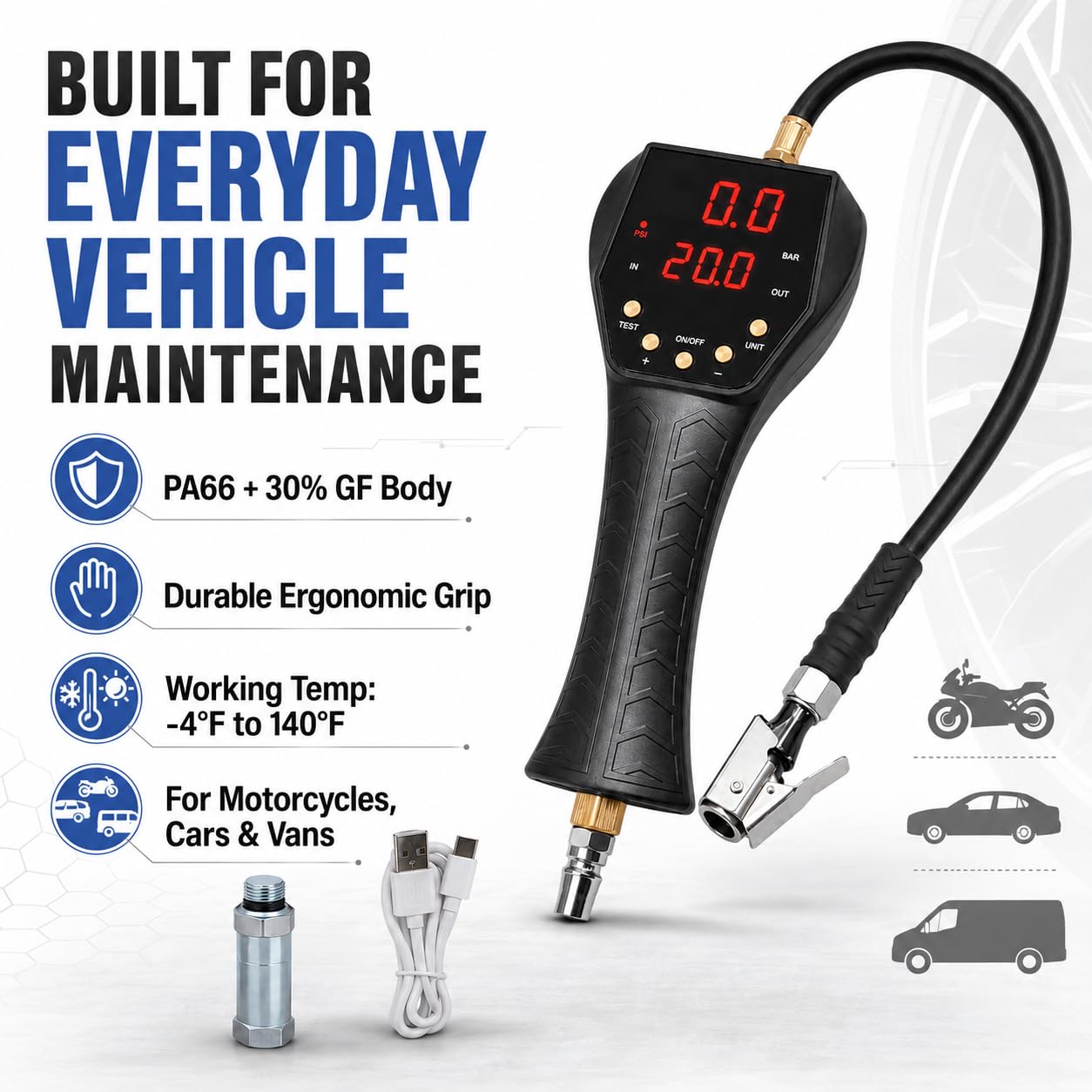
Frequently Asked Questions
1. Is an air clip the same as an air chuck?
Not always. An air chuck is the complete fitting used to connect an air hose to a valve stem. “Air clip” usually describes a clip-on air chuck or the locking clip installed on it. Check the listing to confirm whether you are buying a complete fitting or only a replacement component.
2. Will an air chuck fit every car tire?
Most automotive air chucks are designed for standard Schrader valves and fit the majority of passenger vehicles. However, you should still confirm the supported valve type, especially for bicycles, air suspension components, and specialty vehicles.
3. Why does air leak when I attach the chuck?
The chuck may not be fully seated, the locking mechanism may be loose, or the internal rubber seal may be worn. Dirt or damage on the valve stem can also prevent a proper seal. Reposition the chuck and inspect both parts before continuing.
4. Can I leave a clip-on air chuck attached during inflation?
Yes. A properly secured clip-on chuck is designed for hands-free inflation. Continue monitoring tire pressure, never leave the compressor unattended, and remove the chuck once the recommended pressure is reached.
5. What should I check before ordering an air chuck online?
Check valve compatibility, hose connection or thread size, maximum working pressure, open-flow or closed-flow operation, and chuck angle. Also confirm whether the package includes a complete chuck, a hose, adapters, or only a replacement clip.